Sign in





 BACK
BACK
Lamb, Hogget and Mutton
Posted Friday 15th May, 2026
Lambing is a precious, heart-warming and defining moment in a farmers calendar. The success or failure can set the tone for the rest of the year. I’d like to take you on a dive into everything sheep related here at Fordhall.
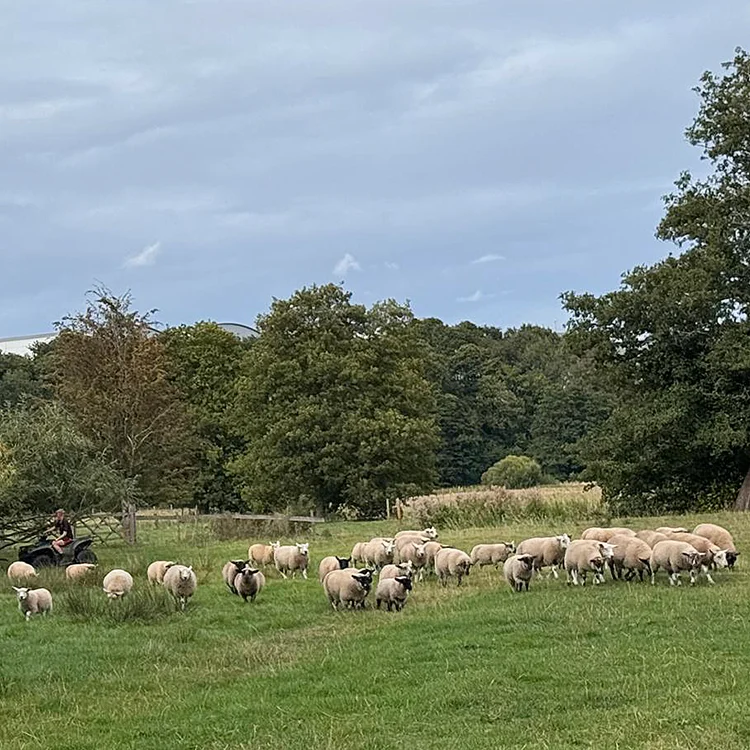
Our lambing seasoning has always been towards the end of February and start of March. There isn’t a ‘right’ time that a farmer can choose to have their lambs born, as lots of variables make one year successful and the next not. That’s part of the joys of farming!
One of the reasons we prefer to have our lambs on the ground slightly earlier in the year is that we try and time it with the start of re-growth of pasture and grass on the farm bouncing back from its winter sleep. This can rely heavily on mother nature. This year we’ve seen some lovely warm and dry weather which has meant that the yield from fields has been great for growing lambs and mothers producing milk.
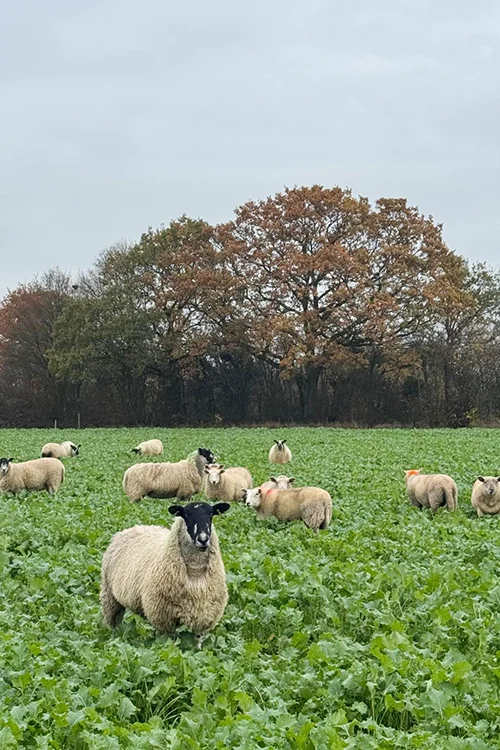
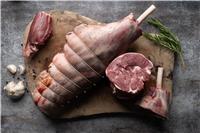
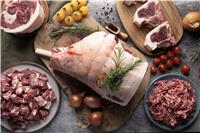
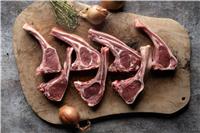
Lambs born here at Fordhall will be kept with mother and siblings as a they grow and develop whilst exploring all corners of the farm. Lambs will start to nibble on grass and hay at an early age (around 4 weeks old), so can quickly start consuming grass which helps ease pressure on demand from milk from the mother ewe. Lambs will be weaned once they reach a stage where they can be totally dependant on consuming pasture alone without milk. The first of this years’ spring lamb will be considered for the butchery at end of the summer once they’ve reached a good weight and size. Without the use of grain or corn these lambs are ready a lot later on in the year than some may expect, which is why we refer to them being slow grown.
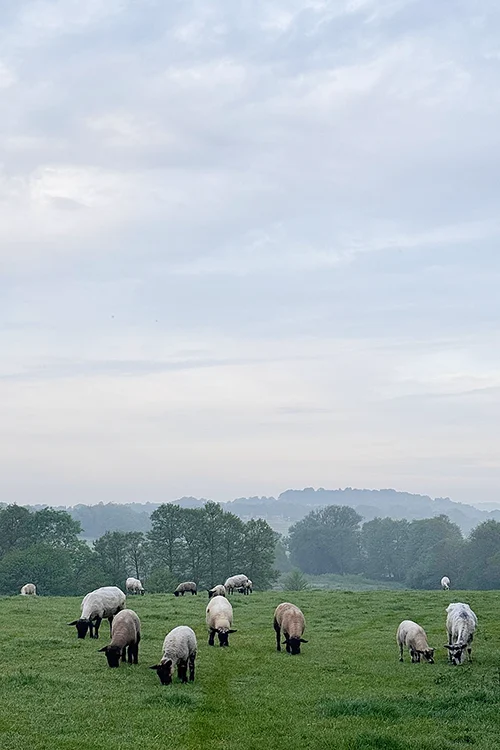
Whilst all this is going on, our hoggets watch on in a separate field. Hogget refers to sheep in their second year and these would have been born the previous spring. Too young for breeding and not destined for the butchery as lamb, this flock of sheep have been specifically kept by the team on the farm to become part of our breeding flock and will join the ewes once they’ve raised this years’ lambs.
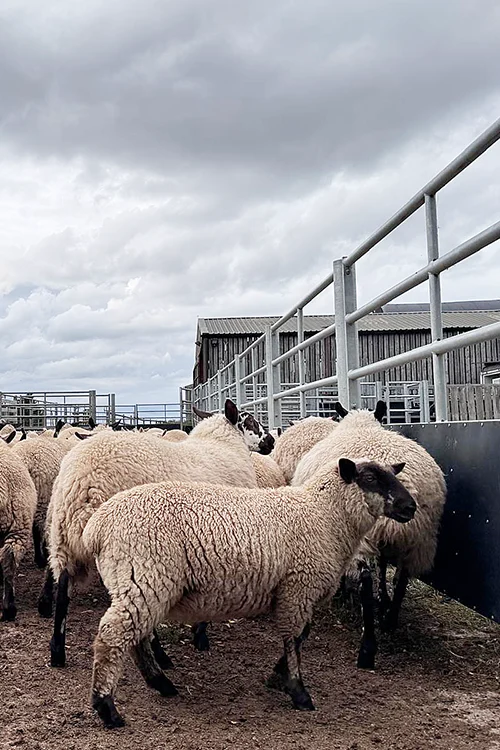
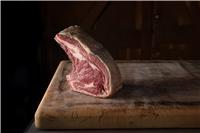
Finally onto mutton. These are old breeding ewes which the team no longer want to breed with again in the coming autumn. Having spent many years on the farm consuming pasture the mutton has a rich and flavoursome taste to it, but would need to be slowly cooked when compared to lamb. Coming back into fashion, mutton has deeper flavour to it, almost a ‘gamey’ taste, whereas lamb is a lot leaner and has a delicate soft taste which makes it perfect for a quick and easy roast or steak.
Historically, mutton would have been more common on the plate in medieval Britain, as wool and milk meant sheep were often kept for many years because they were worth more alive than for their meat alone. If a ewe became barren, it would then be processed as mutton, which would have provided a nutrient-rich meal at the time. Low and slow cooking methods, such as one-pot cooking, were also well suited to mutton.