Sign in




 BACK
BACK
Gloucester Old Spot Woodland pigs
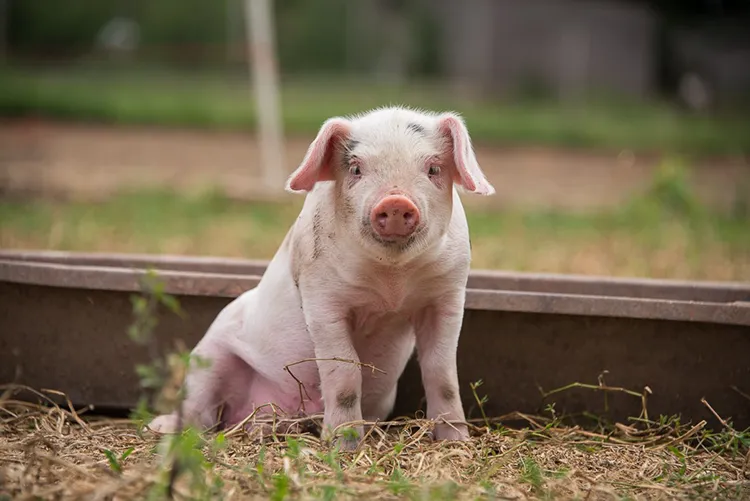
Fordhall’s pigs live free range where they enjoy rooting and rummaging amongst the undergrowth. in woodland here on the farm.
Rearing a native breed of pig (Such as the Gloucester Old Spot) in their natural habitat goes hand in hand, whilst taking longer to mature at their own pace the flavour and meat is something to be treasured. Thick wiry coats provide protection from the Great British weather and short legs make navigating through the undergrowth easy work.
Well established trees provide an abundance of fruit, nuts, seeds whilst roots, vegetation fungi and insects also provide a natural source of food for the pigs. We do feed them additionally with a GM free, vegetarian cereal mix (not organic).
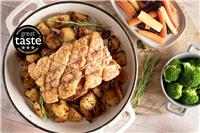
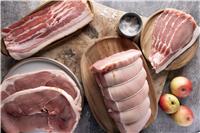
We’ve been awarded a 3-star Great Taste award for our pork shoulder with comments from the judges such as "great depth of flavour" and "an exceptional piece of pork, with a great balance between fat and lean". This shows that our slow grown traditional pork can compete with the rest!
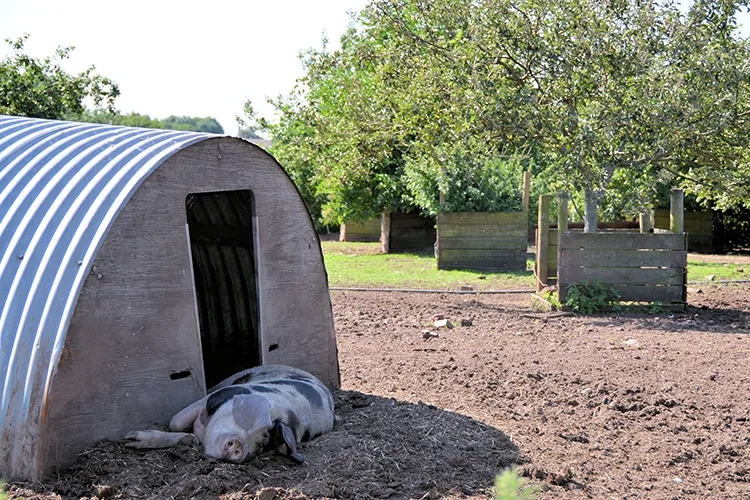
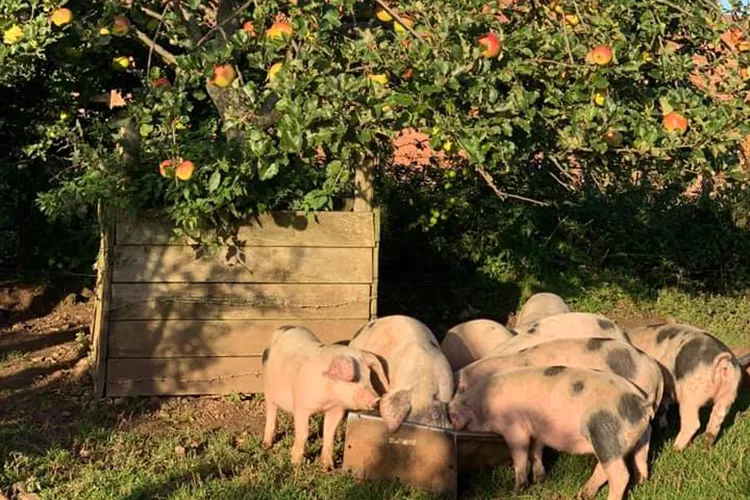
Our herd of breeding sows is kept closer to the farm buildings in paddocks where we can keep a close eye on them. Although they don’t need much interaction from us, the arcs they live in on the paddocks provide perfect maternity wards. These paddocks are lined with apple trees which provide shelter and fruit in the Autum for these pigs to forage. We do have one sow who has learnt to tug on the apple tree branches in autumn to shake the fruit from the trees. It's impressive to watch!!
You can see these breeding pigs (and piglets if you time if right!) at the start of the farm walks. Once a sow has raised her litter she will return to the breeding herd and the piglets will be weaned and move into the woodlands.
We focus on rearing Gloucester Old Spot crossed pigs, but occasionally have other heritage breeds including Saddlebacks, Middle Whites, and Tamworths. Our native Gloucester Old Spots and heritage breeds mature slower than the commercial breeds, which allows flavour to build, something that shouldn’t be missed.
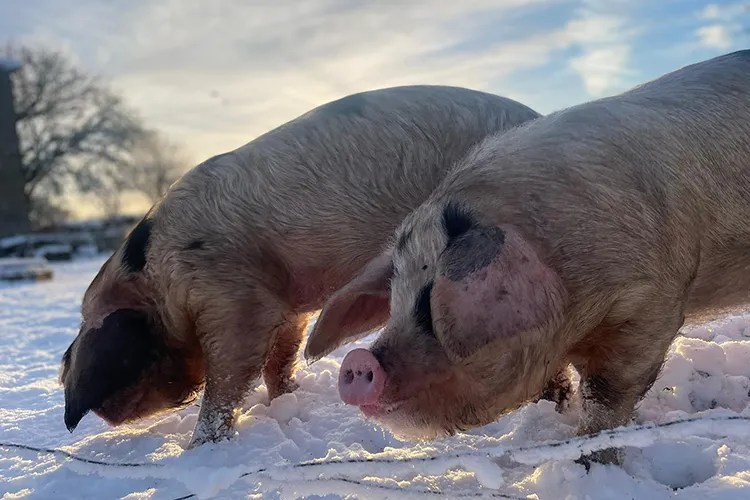
You can see these breeding pigs (and piglets if you time if right!) at the start of the farm walks. Once a sow has raised her litter she will return to the breeding herd and the piglets will be weaned and move into the woodlands.
We focus on rearing Gloucester Old Spot crossed pigs, but occasionally have other heritage breeds including Saddlebacks, Middle Whites, and Tamworths. Our native Gloucester Old Spots and heritage breeds mature slower than the commercial breeds, which allows flavour to build, something that shouldn’t be missed.
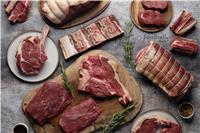
Matching the demands of the butchery with the supply available on the farm is a tricky job. We rear enough Gloucester Old Spot pigs to fulfil the farm shop and online shop demand. This works well - juggling the pigs not getting too fat and always having enough to keep up with busy periods. Occasionally we will buy some Gloucester Old Spot weaners from the local market if we think we will have a gap. An example situation is where a sow goes barren and doesn’t get pregnant, or if a sow loses a litter of piglets. This unfortunately does occasionally happen, especially raising outdoor pigs matched with the weather we get in the UK.
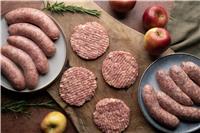
While demand in the farm shop uses up most of the fresh pork from the heritage pigs we rear, we do not always have spare pork shoulders to make sausages. If this happens, to keep up with sausage supplies, we buy gilts and sows from local farmers through the local cattle market. We try and buy Gloucester Old Spots as often as we can. We actually prefer them to be smaller and a bit leaner so we can fatten them up here at the farm in our paddocks with our own feed. These pigs stay on the farm in the paddock near the farm shop which you can see from the carpark. You can often see them wallowing in the mud when you visit the shop.