
 Sign in





 BACK
BACK
From the Butcher's Block to everyday talk
Posted Tuesday 16th June, 2026
Have you ever wondered where a few popular sayings or terms come from? Quite a few have deep roots in butchery and farming, without even knowing. Here are a few for you!
Going the whole hog
Nowadays this phrase means doing something thoroughly or giving maximum effort to complete a task. Originally, it refers to making use of every single part of the animal after slaughter. In traditional butchery nothing was wasted, from bones, offal, fat and skin. All had a purpose. ‘Going the whole hog’ made sense economically and practically for society at that time.
Bringing home the bacon
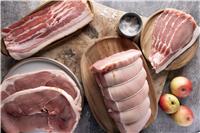
Its origins are believed to date back hundreds of years, when bacon was considered a valuable food source and a sign of prosperity. In some parts of medieval England, couples could even be awarded a side of bacon if they proved they had lived together happily for a year and a day. To “bring home the bacon” meant you had successfully provided something valuable.
On the chopping block
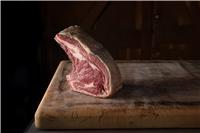
If someone is “on the chopping block” today, it usually means they are at risk of losing their job or facing criticism. The phrase comes directly from the butcher’s chopping block, where meat was placed before being cut into portions. Once something was on the block, there was only ever one outcome.
Having a butchers
In everyday slang, “having a butchers” simply means having a look at something. The phrase comes from Cockney rhyming slang: “butcher’s hook” rhymes with “look.” Over time it became shortened to just “butchers.” While many people connect it naturally with butchers inspecting carcasses before purchase, its strongest historic roots are actually in London market slang.
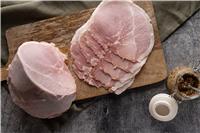
Rasher of bacon
A rasher refers to a thin slice of bacon, but the word is believed to have evolved from the French word raser, meaning “to scrape” or “shave.” Before refrigeration became common, cured meats were often sliced or shaved thinly so they could be cooked quickly and preserved efficiently. Over time these thin cuts became known as rashers.
Offal
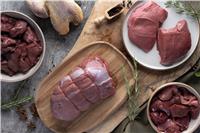
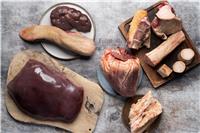
People hear the word offal and automatically assume something unpleasant! Offal translates from old Germanic to ‘fallings’. Parts that wouldn’t necessarily be butchered and sold as meat but were part of slaughtering an animal and making the most of the animal. Selling these today make us different and very traditional! The offal we are able to sell from our beef, lamb and pork are liver, heart, kidney, cheeks (ox and pig), tongue (ox), oxtail.
I hope I’ve been able to share something new to you in this today!
See you all next month.
James