Sign in






 BACK
BACK
Why some meat cuts are better slow cooked
Posted Wednesday 15th September, 2026
You’ve probably heard and seen that some cuts of meat are better cooked low-and-slow, such as beef brisket or lamb shank. A semingly tough cut of meat cooked on a low heat for several hours transforms into something incredibly juicy and tender. We’re often asked why this is, and why do some premium meats, such as sirloin or ribeye, dry out and go tough when we slow cook them?
This is down to science and evolution as it’s related to the amount of connective tissue (collagen) and well worked muscle fibres within the meat. Muscles that work the hardest, like legs, shoulders and chest, develop dense networks of connective tissue composed mainly of collagen. If you cook these on a high heat, such as pan-frying or grilling, the rapid heating process causes the muscle fibres to contract tightly, creating a tough, rubbery texture and squeezing out all the moisture. conversely, when you braise or stew that same cut at a low temperature, the tough collagen will melt over time and break down into gelatin. This coats the muscle fibres, trapping the moisture with on your dish, creating that silky, melt-in-your mouth feel.
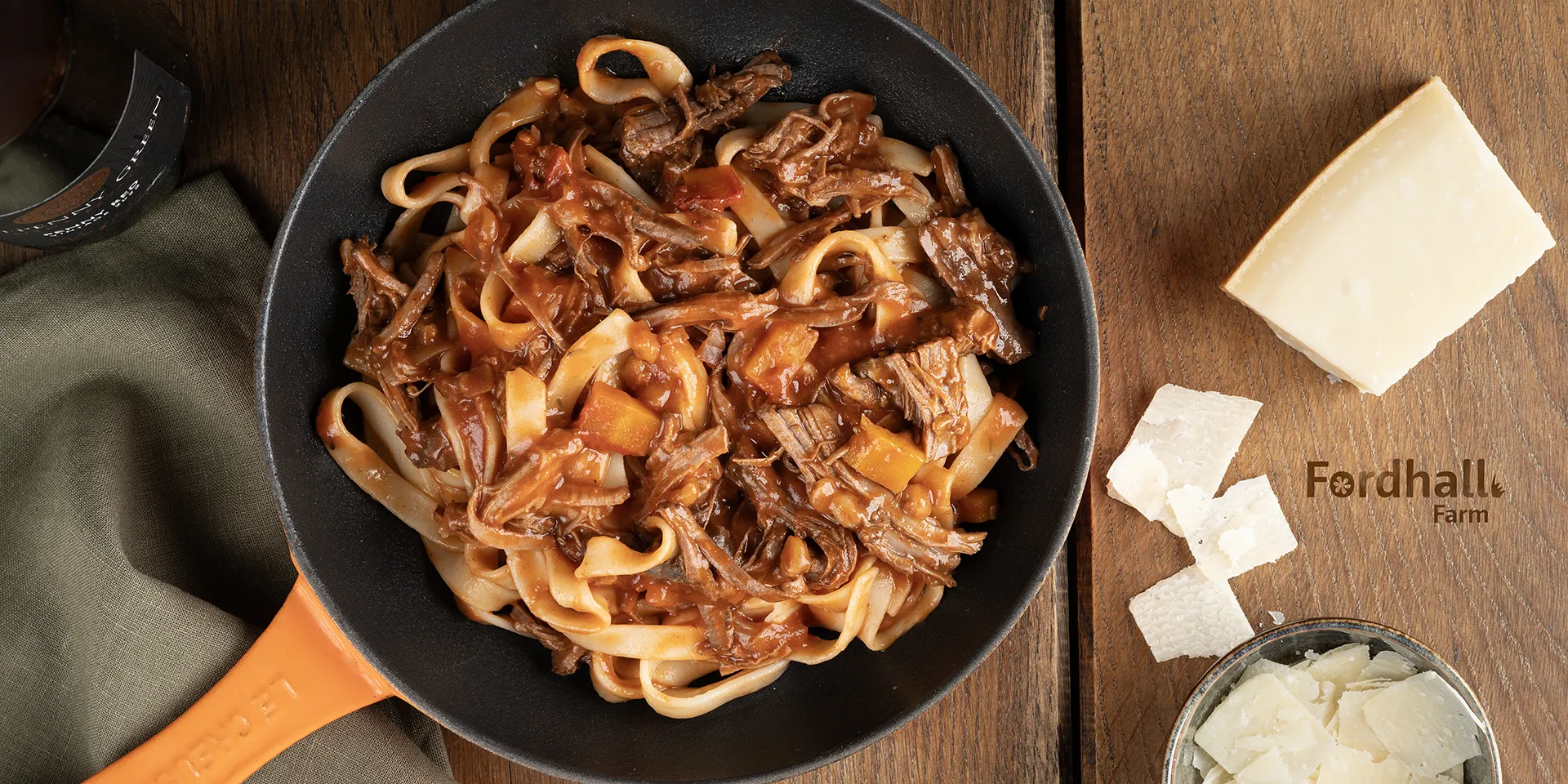
My favourite examples of slow-cooking cuts include:
Beef Shin/ Osso Bucco
Cut from the leg/shank of beef, this is packed with connective tissue and and can be left on the bone in slices (Osso Bucco) for a more nutrient dense slow cook dish. The bone in the Osso Bucco is the center cut of marrow-rich bone. My secret tip (not so secret now!) is to bulk out beef osso bucco with bonless beef shin, that way you get a nutrient rich dish containing marrow but is also a little more cost effective. You'll have tender, melt in the mouth beef once cooked!
• Best Cooking Method: Braise with acidic liquids such as red wine or tomatoes help break down the connective tissue. Slow cookers on low are best, but this can be cooked in the oven. The longer you are able to cook the items, the better. I’d suggest a temp of 130°C over a period of 3-4 hours, ensuring the liquid within doesn’t dry out. A lid or tin foil also helps keep moisture retained in the dish whilst cooking over long peroids.
• Nutritional Merits: The bone marrow melts into the sauce, providing flavour but also fat-soluble vitamins (A and K2), conjugated linoleic acid (CLA), and minerals such as iron and zinc.
Beef Chuck / Braising Steak
Taken from the shoulder, the beef chuck steak features a web of intramuscular fat and collagen, and is similar in shape and texture to a ribeye (the next cut along on a beef carcass). It’s also similar to a braising steak which but a slightly fattier version. Chuck (or braising) doesn’t have to be cooked as slow as the shin, although it can be.
• Best Cooking Method: Recomened to be cooked either in an oven or slow cooker 140°C for 1 ½ hours. Stews, slow cookers, one-pot stews, and slow-cooked curries.
• Nutritional Merits: Extremely high in iron which is easily absorbed by the body, and vitamin B12, which supports energy metabolism and nervous system health.
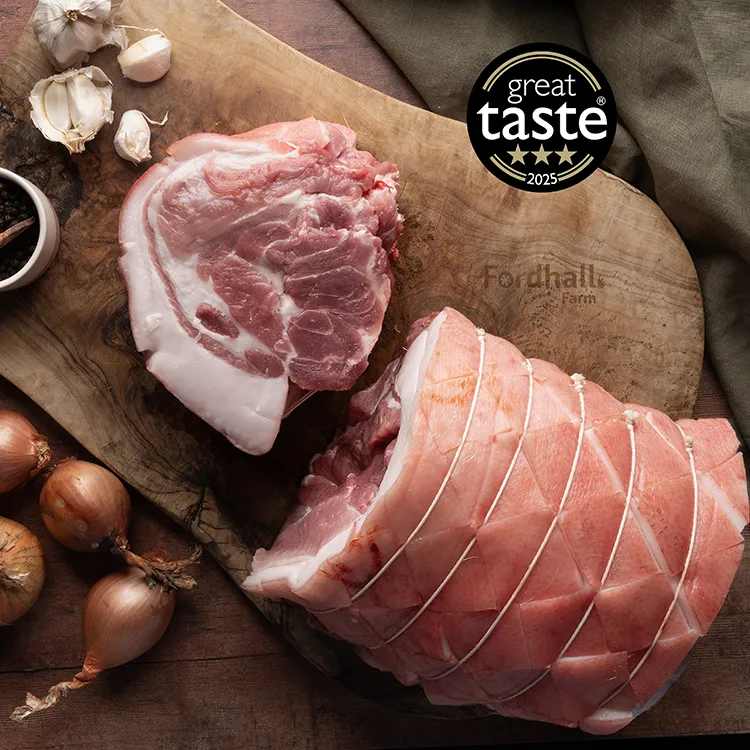
Pork Shoulder
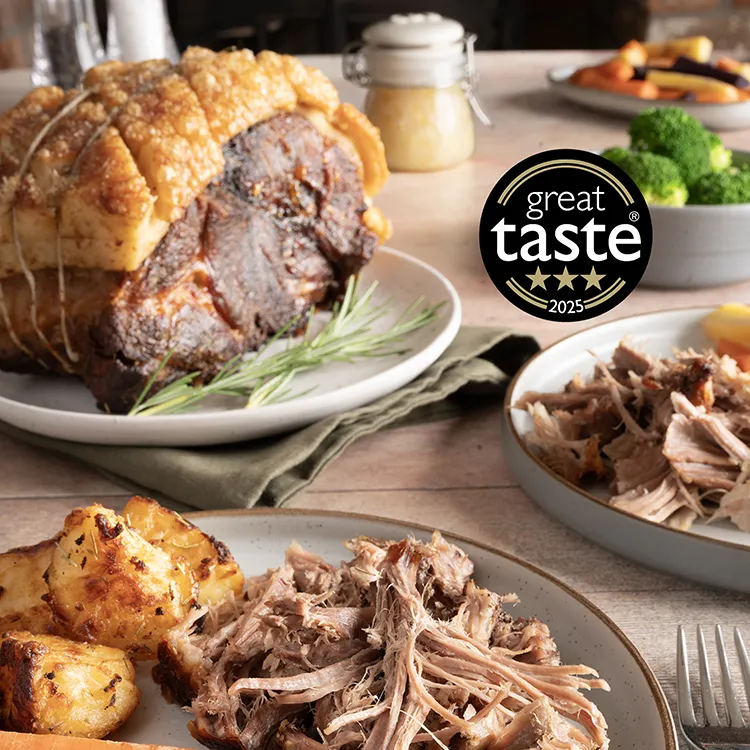
A heavily worked shoulder muscle, rich in fat and collagen, also contains nice covering of fat which makes perfect crackling. My tip, ask us to take off the rind (skin that produces crackling) and cook the crackling and meat separate. Crackling can be cooked quickly, whilst the shoulder needs a much longer period of time.
• Best Cooking Method: Slow cooker or oven on a low temperature is ideal (150-160°C for 4-5 hours makes the perfect pulled pork or slow roasts.
• Nutritional Merits: Rich in thiamine (vitamin B1) which is essential for carbohydrate metabolism, and selenium, a critical antioxidant mineral for thyroid function.
We have Fordhall Farm recipes for a lovely range of slow cooked beef, lamb, pork, mutton and chicken dishes in our Farmhouse Library. Enjoy!